Opposing Obama

Paranoia on the Right

Opposing Obama


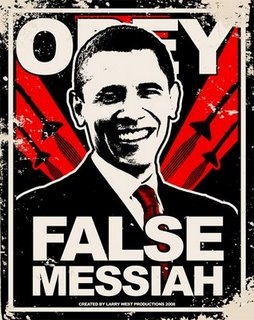
Five months into his presidency, Barack Obama has been the object of two unwarranted responses. The right wing, very vocal and with great media access, accuse him of showing his socialist colors and leading the country they love down the path to dictatorship and ruin. Media personalities like Rush Limbaugh, Glenn Beck, media outlet Fox News, and Republican politicos like Newt Gingrich and Dick Cheney have produced a constant chatter, constructing a conservative counter narrative for Obama’s every move, openly hoping for his failure and skirting treason.  The militant far right, that is, the extra-legal militant right such as neo-Nazi and Klan formations, and including the open white nationalist militia formations, see Obama’s election as the fulfillment of their greatest fears and starkest warnings of the end of white America and the unmasking of the so-called ZOG, the Zionist Occupied Government.  For these groups, the long prophesied, by them, race war has begun in the United States, and in an era when hate crimes had already increased against Muslims, attacks targeting people of color generally, African descent people specifically, Jewish people, and our institutions have still increased more significantly[1], despite the oft cited polls that say the both African Americans and European Americans feel that “race relations” have improved significantly.  Can both those things be true?

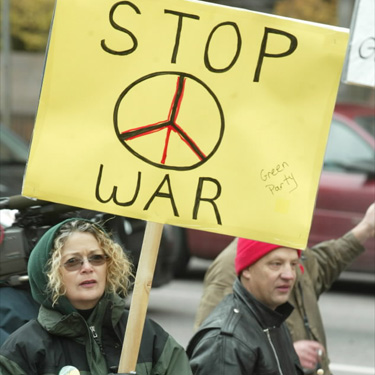
Then there is the missing response from very many African Americans who have been dangerously uncritical of the Obama administration for his policies, domestic and international, that remain firmly in line with the general direction and goals of the United States ruling elite for the past thirty years.  African Americans have opposed these policies consistently and correctly, and the fact of an African American POTUS[1] should not silence that opposition or a genuinely alternative vision for the country.  Yet silencing has been one of the most troubling effects thus far of the Obama presidency.  Take opposition to war as an example. 
war_protest_102809


The anti-war movement has fallen silent, unable to maintain a vocal and visible presence neither in the streets nor the news media, as the illegal occupation of Iraq begins to morph into another structurally integrated outpost for U.S. American troops and American “interests” as the government installed under the conditions of occupation becomes the only authorized government in the country.  The troops have pulled out of the Iraqi cities and taken root in strategically placed bases that are slotted to become permanent features on the landscape.  The Obama policy has escalated the war in Afghanistan and has expanded drone attacks into Pakistan. Approaching eight years of troops on the ground, the conflict there promises to become even more drawn out, twelve to fifteen years according to some projections.  The anti-war Democrats have faded into the background, including most of the members of the Congressional Black Caucus, choosing to follow the party leader rather than an ethically and morally founded politics of opposition to war-as-usual.  On the issue of the war, Representatives Maxine Waters, Barbara Lee, Keith Ellison and John Lewis stand nearly alone.

People act as if the mere presence of an African American president magically sanctions the administration’s policies and their execution as progressive and democratic.  President Obama has done nothing that in any way challenges ordinary U.S. foreign policy.  Instead, Obama puts a prettier face on U.S. policy, easing the exercise of policies that continue to favor uneven economic and political relationships between the Western powers and the rest of the world, as predicted by some of his conservative supporters like Andrew Sullivan, and often marginalizing local principled opposition to these neo-liberal policies.  This free market orthodoxy highlights the ridiculous claims of the U.S. right. President Obama has changed tactics and strategy, not goals.  Their opposition is based not on genuine analysis of the Obama administration’s policies, but on the ideological grounds that anything a Democratic administration may do must be opposed as the unnecessary and profligate intrusion of the State into the private sphere.  The vociferous and frequent outrage against Obama is also in keeping with the white privilege to challenge the right and the ability of people of color in authority to lead.  Obama got very little honeymoon as the new president.

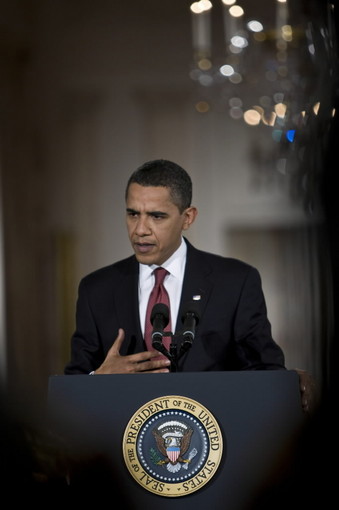
Many groups that are ordinarily identified with the liberal politics, what in the U.S. mainstream serves as the left, have begun to demand delivery from Obama on promises made during the campaign.  Gay and lesbian activists have started to demand action on the issue of marriage equality.  Immigrant rights activists call for comprehensive reform founded on compassionate responses that take into account families and the responsibility of employers.  Single-payer healthcare activists ask why the single- payer option has been rejected before it has been seriously discussed.  African American reporters attending presidential press conferences for African American newspapers ask the president what specific policies and programs the Obama administration  has planned to address the specific needs and conditions of the African American people as they face the worst of the current economic crisis, and President Obama is unable to give a specific answer beyond the “my-policies-will-lift-all-boats” answer because his administration has no specific policies regarding the needs and conditions of African American people. 
Obamapressconf


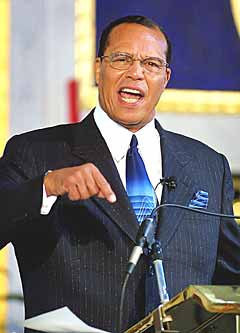
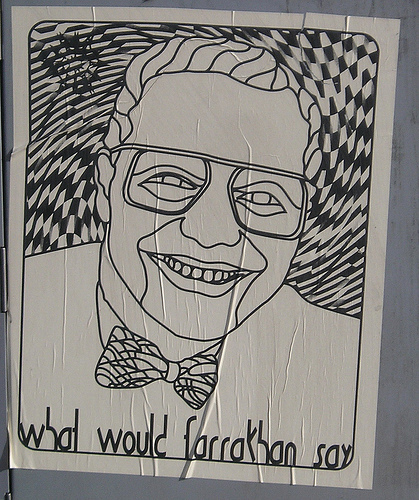
 And why should he?  What demands did African American activists make during the campaign?  Who demanded to know what his position was or is concerning the over-policing of African Americans and the mass incarceration resulting from the practice?  Who asked him what he thought about the Black farmers suing the Department of Agriculture?  Who asked him about unemployment rates for African Americans?  Who wanted to know whether or not most African Americans agreed or disagreed with his public and de rigueur repudiation of the Minister Louis Farrakhan and the Nation of Islam, or how the Reverend Wright played among the African American electorate?  The fact is, African Americans demanded little more than having an African face in the Oval Office, a woefully insufficient claim to make upon power in the United States.
WWFS


The vicious and relentless pace of the right wing criticism of President Obama kick starts our urge to barricade the president against the attacks.  We recognize the irrationality, the inconsistencies and the danger of the barely veiled racism.  We ignore how mainstream Democratic politics more subtly maintain the racial regime that the 2008 election was supposed to have overthrown, or at least seriously wounded.  Candidate Obama-cum-President Obama could not take any position perceived to be specifically pro-Black. No serious Democratic candidate has been able to do so since Lee Atwater unleashed Willie Horton on an American public predisposed to the brute criminality of African American men.  Bill Clinton publicly chastised Sista Souljah and executed a developmentally disabled African American man to prove his commitment to tough love for America’s ex-slaves. Gore and Kerry ignored African American issues.  Identification with African American issues beyond the grossest examples of racist victimization, easily denounced, has been treated as electoral toxin for Democratic candidates, including among the new generation of African American politicians, those characterized as the inheritors of the gains of the Civil Rights Movement, those like Barack Obama.  How many Democratic politicians join the Republicans in thinking that what African Americans need most during campaigns is lecturing on the importance of fathering and hard work?  In polite company, this isn’t called racism.  No one’s wearing sheets.  Still, these practices boil down to the comfort of white Americans, Republican and Democratic, and the now decades long “fatigue” the mainstream expresses about African American dissent.  If white presidential candidates face such demands for programmatic purity concerning African Americans, how much more constrained is an African American candidate to an appeal to the great white American middle class?  Winning the job does not change the rules. 
Club Member
Club Member


But after all, the job of the POTUS is to protect and extend U.S. American interests, and U.S. American interests continue to serve structural white hegemony.  This is difficult for many to see because of the apparent victory over racism that Obama’s election represents. And it certainly is a victory, but a very limited victory.  The question of Obama’s fitness for the job, his intelligence, his political savvy, his leadership, the ability of a Black man to lead this country is not at issue. Those are cynical right wing talking points.  A racial analysis, a “Black firsts” analysis, makes everybody feel good about achieving the inconceivable in the racist United States.  What President Obama’s election should finally make clear is that African Americans at the pinnacle of power in what are essentially white institutions, the actual diversity of the population notwithstanding, can’t help but serve white interests, which are not necessarily and automatically the best interests of African Americans, other African descent peoples, and other people of color.  The class based and race based structural problems in the society are too deeply rooted in the culture, and in the global exercise of U.S. American military and economic power.  We have seen it before in the persons of Colin Powell and Condoleezza Rice. 

But a black face on U.S. imperialism is still imperialism.  And a black face on benign neglect in the domestic context is still benign neglect.  So let us move beyond self-congratulatory myopia over the arrival of the Black Bourgeoisie to an apparent full partnership in the U.S. ruling class.  Where President Obama’s policies deepen the despair of the peoples of Afghanistan and Iraq, he should be opposed.  Where President Obama’s policies continue to favor the bankers and the insurance companies over people, Main Street as he puts it, he should be opposed.  Where President Obama continues to favor state secrets and detentions without trials over open government and due process, he needs to be opposed on principled grounds.  African Americans especially need to spit out the kool-aid and hold Obama to the high standards of freedom and justice that have been our political tradition.

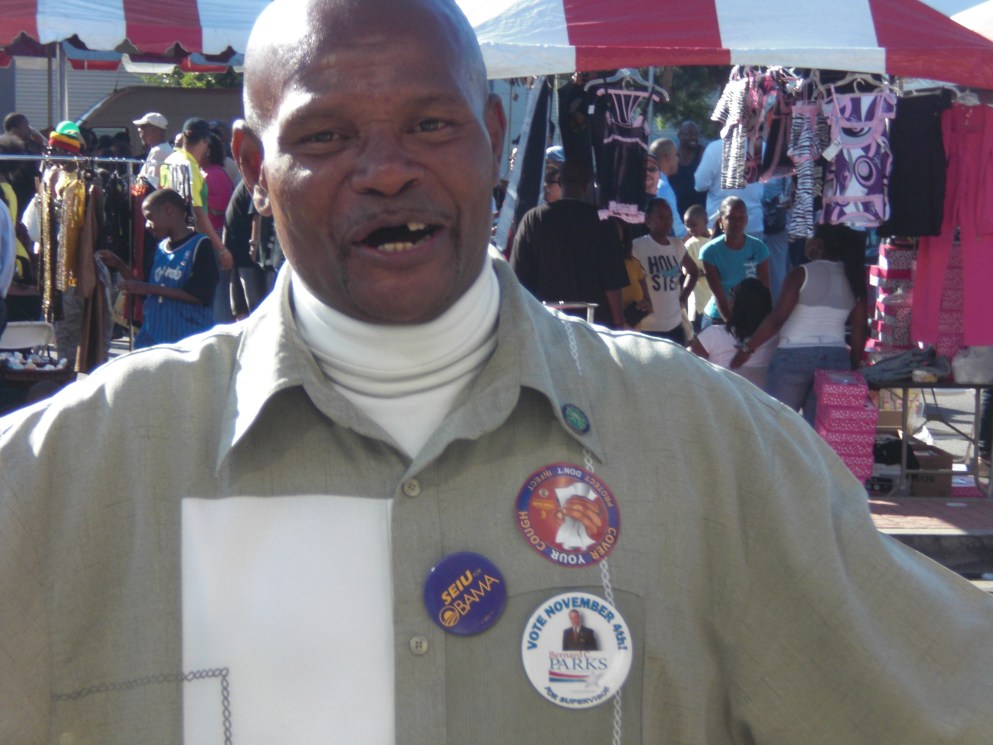
Mexico 1968
Mexico 1968

Which Black Community, What Black Community? Part Three

We have now settled in Leimert Park.  We live at the heart of what remains of the only majority African American neighborhood in the city, and it too contains a rich ethnic, cultural and class diversity.  Leimert Park is an attractive neighborhood with architectural variety, lovely, well maintained yards, ethnic restaurants and coffee houses and a cultural and artistic core centered on Degnan Boulevard in the heart of the Village.  Just this past October 2008 in this neighborhood, the Taste of Soul Festival saw 75,000 African Americans and others gather nearby on Crenshaw Boulevard.  The October 18th Los Angeles Sentinel reports that this festival may have been the largest gathering of primarily Black people in Los Angeles history.

picture-024


I am certain that some folks traveled from the San Fernando and San Gabriel Valleys, the Inland Empire -my uncle and his family for example- and from Orange and Ventura Counties, and maybe Kern County.  However, that so many Black folks from Los Angeles proper, my notion of proper, and the immediately adjacent communities-  Inglewood, Carson, Compton, Long Beach- gathered here for the festival demonstrates the great and significant number of African Americans that still live and work and struggle in Los Angeles.  We are not a monolith, but no people or nation is a monolith and without its internal contradictions.  But we are not a vanishing community, which is to say we are not a vanishing and thus insignificant social, cultural and political force in Los Angeles or the state of California even as we are transforming community.  Why then have we been subjected to repeated reports of our disappearance and subsequent diminishing of especially political clout?  That’s probably an unfair question because there are several answers.  I, here, offer one.

picture-025


Regular assertions of Black disappearance and irrelevancy have the cumulative effect of rendering the community, or the communities, invisible in the public imagination despite the observable presence of Black folks in the city, in every part of the city, and thus ease Black political marginalization.  The assertions of our invisibility make us invisible.  Invisible people need no advocacy.  Invisible people form no constituency.  Thus their mainstream political representatives become marginalized, their issues ignored, their legislative sway minimized.  Invisible people do not exist, nor do their issues.  They can then be reduced to interlopers into the political process, dinosaurs of old style civil rights activism, victimization pimps and hustlers, irrelevant cultural nationalists, and free agent individuals who just “happen to be black.”  Highly visible “invisible” people become objects of resentment and scorn.  They deserve what they get.  If the police beat them or shoot them, even if these are caught on video or the Black persons treated so are minors, it doesn’t matter.  The police are seen as justified, over and over again.  If these people are understood to be invisible, then efforts to disappear them are both explicitly and tacitly supported. And that brings me to perhaps the most invisible African American community in the city that isn’t behind bars, the Downtown Los Angeles community.
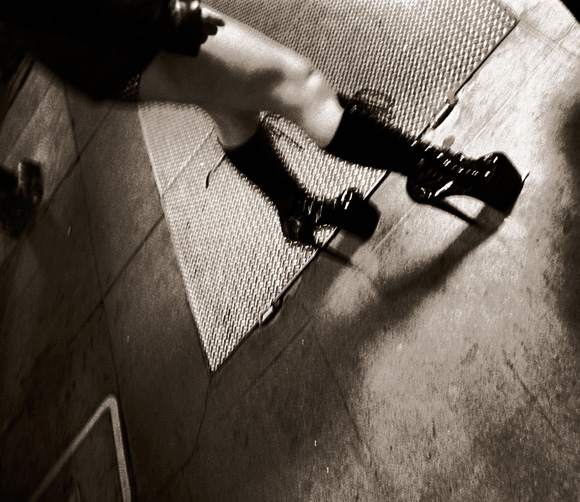
lamike_2


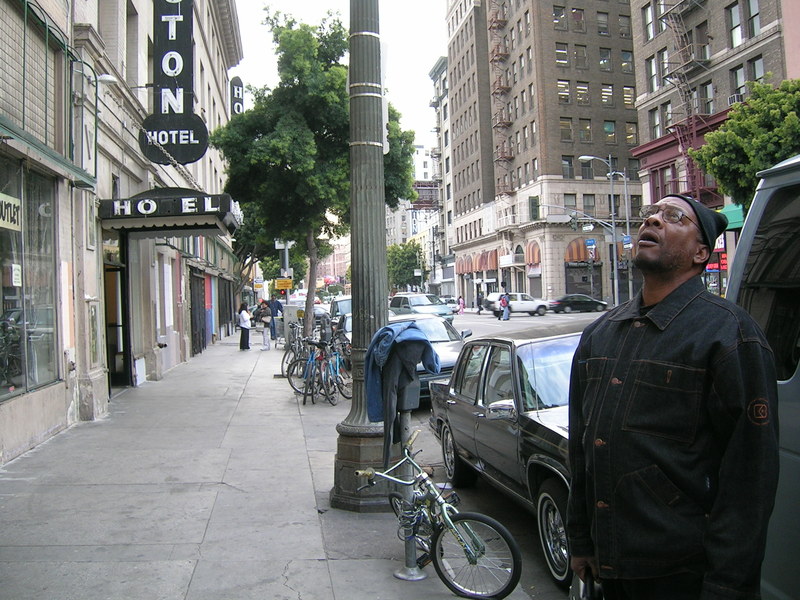
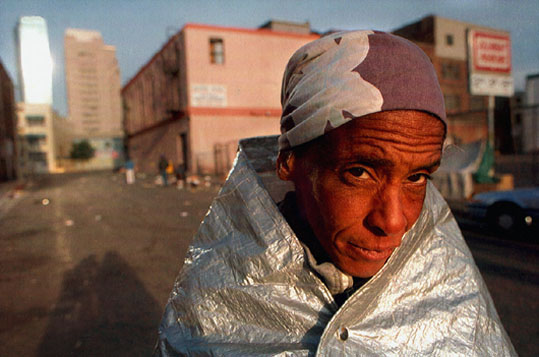
According to L.A.CAN (Los Angeles Community Action Network), one particular migration of African Americans has not been to the outlying areas of the county or to adjacent counties, but has occurred within the city, from South Los Angeles to the Downtown area.  African Americans are grossly overrepresented among the homeless throughout the region.  This is acutely the case in central Los Angeles.  This is not a community composed only of veterans, former prisoners, dumped mentally ill patients, runaways and men and women with substance abuse problems.  Increasingly, families swell the number of homeless.  Yet, this too is misleading because many of the African Americans now living downtown are not homeless.  Individuals, couples and families have been living in the old hotels that still line Los Angeles Street and Seventh Street and Skid Row.  They have been there since the nineties.  Their presence downtown amplifies the problem of affordable housing in the city as these working class and underemployed Black folks have been priced out of the rental properties in South Los Angeles and Southwest Los Angeles, as these neighborhoods like many neighborhoods that had been ignored and neglected have now become sites of gentrification.  And now gentrification has moved Downtown.
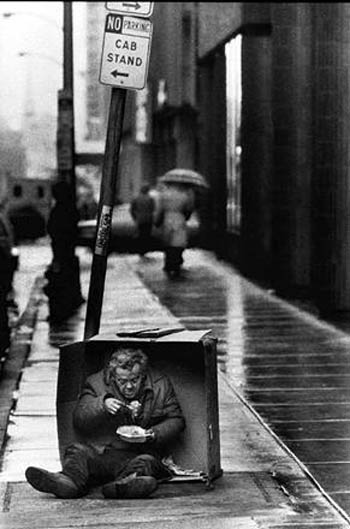
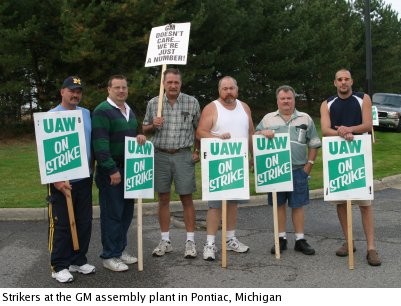
homeless2


As city planners and private developers continue to reform and recast Downtown as an upscale, hipster friendly, artsy, urban center, working class folks, African Americans and others, are again being priced out of the neighborhood.  Furthermore, LAPD have been more aggressively policing the area.  The tactic is consistent with Chief Bratton’s Broken Windows policy, the official effort to “clean up the streets” by aggressively enforcing laws against “quality of life” crimes like vandalism, acts that can easily characterized as public nuisances as much as crimes.  We have gone from stops, tickets and arrests for Driving-while-Black to stops, tickets and arrests for Walking-while-Black.  L.A.CAN reports that African Americans in the neighborhood are being cited for dumping the ashes from their cigarettes, fined accordingly, and when unable to pay the fines, jailed.  The effect is an ethnic cleansing of Downtown.  And because these people are invisible Black people, the violations go unnoticed and unchallenged except by those community activists who refuse marginalization, like L.A.CAN.  But where is their Councilperson?  Where is Mayor Villaraigosa whose electoral victory was cemented by the Black vote in the last mayoral election?  Doesn’t he know a new election is just weeks away? As of now, they are on the side of the developers.

hpim2472


hpim2481


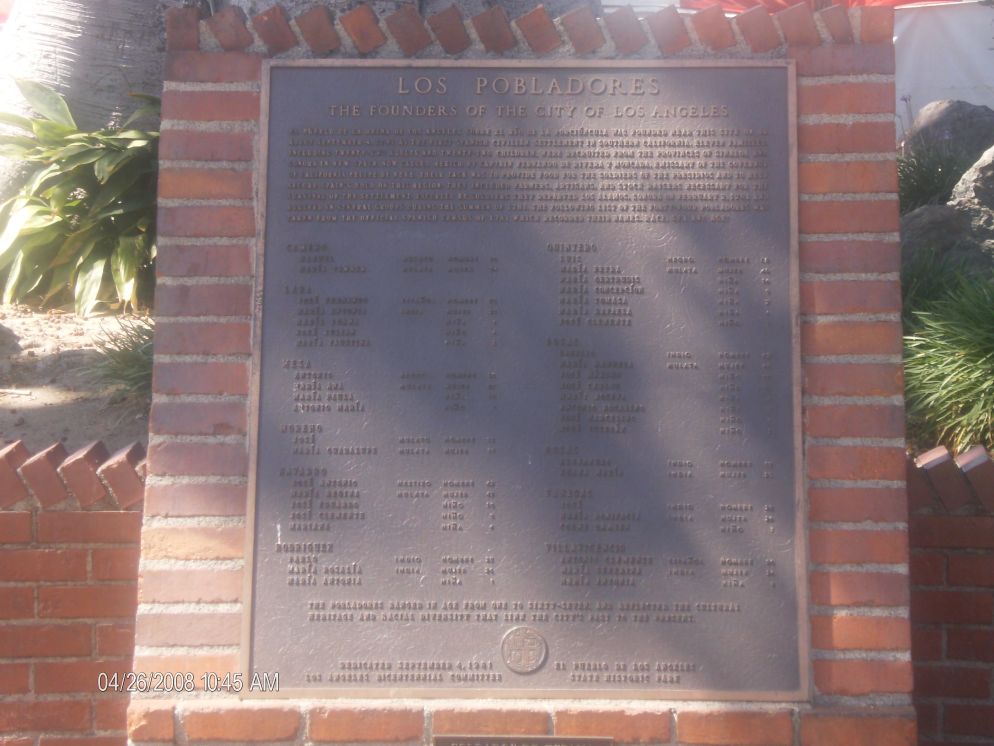
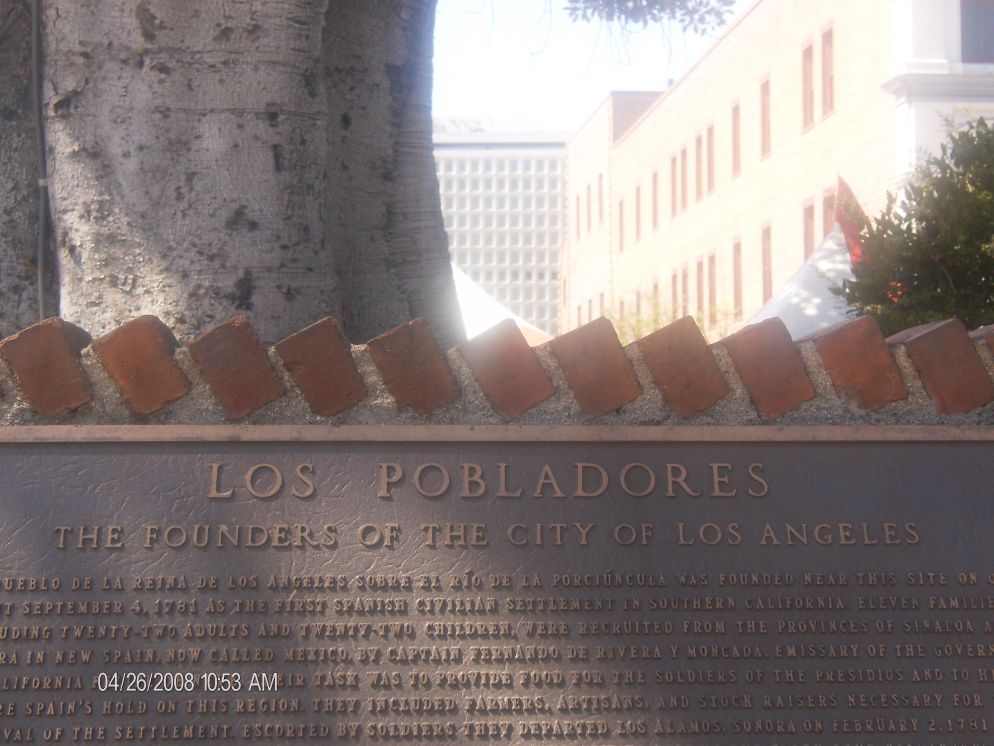
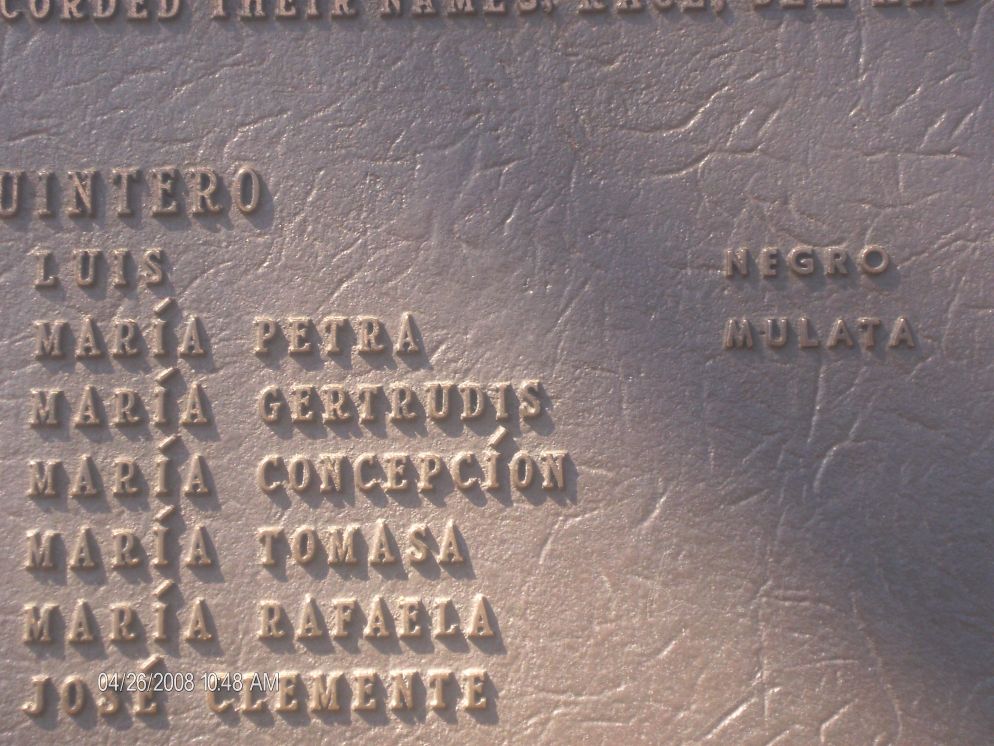
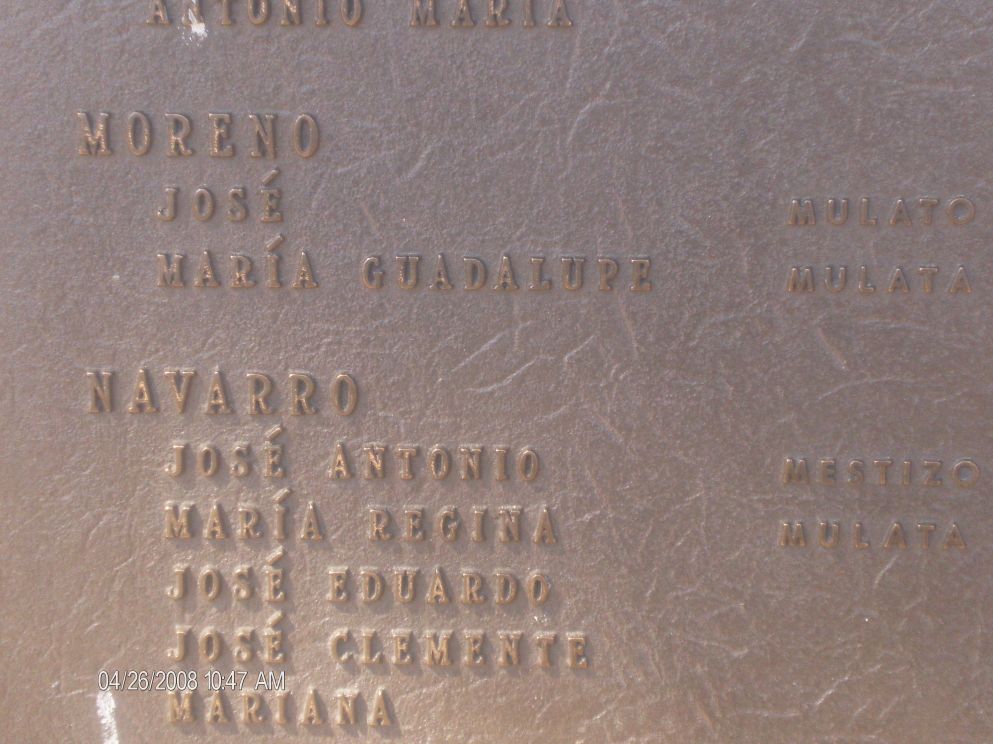
We need a new Black politics in the city, a new understanding of what sort of Black city Los Angeles is.  We must continue to recognize each other and reach across our cultural differences and struggle for a better city, a more humane city for all its residents.  Our children attend the public schools.  Our adults compete for jobs.  Our families struggle to negotiate crime and police.  Our families enjoy the parks.  We share these neighborhoods.  We cannot accept a vision of Los Angeles that erases us.  The story of the founders can teach us much.  The overwhelming majority of the original families who founded the Pueblo in 1781 were African descent Mexicans, indeed 26 of the 46 (Goode 11).

hpim2477


The monument at Olvera Street records this fact. Yet, their African reality has been subsumed into their Mexican-ness.  They have been rendered invisible, a process intensified by the ideology of mestizaje framing most discourse on ethnicity concerning Latin America generally and Mexico specifically (Cuevas).

hpim2475


Let’s explicitly restore them to our historical consciousness. Let us restore ourselves, whatever our first language or country and region of origin, to political relevancy.  We are not invisible, and we will not be made invisible.  There has never been a Los Angeles without Black people.  Black Los Angeles has always been fundamental to Los Angeles, whatever the movements of its people, those coming and those going.

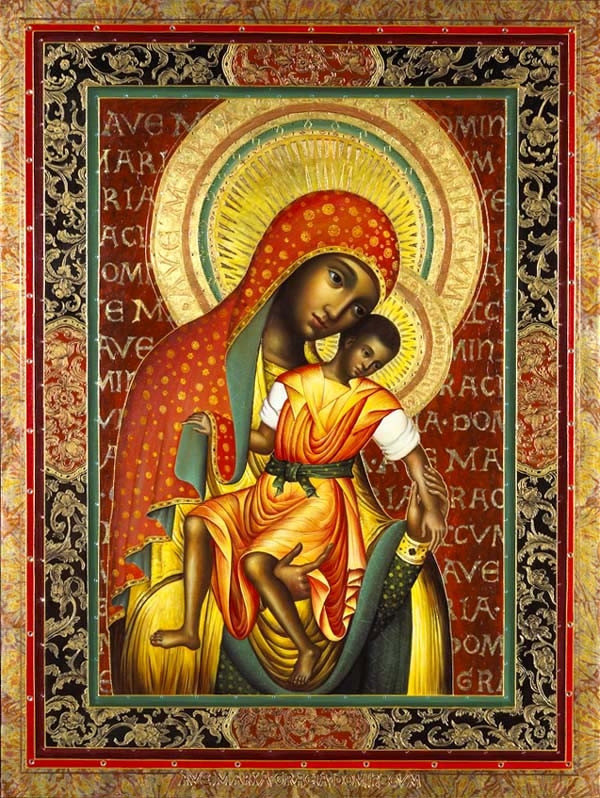
La Reina de Los Angeles

Works Cited

Clifford, James. Routes: Travel and Translation in the Late Twentieth Century.

Cambridge: Harvard University Press, 1997.

Cuevas, Marco Polo Hernandez. African Mexicans and the Discourse of Modern Nation.

Boulder: University Press of America, 2004.

Goode, Kenneth G.  California’s Black Pioneers: A Brief Historical Survey.

Santa Barbara: McNally & Loftin, Publishers, 1973.

L. A. Community Action Network. <http://www.cangress.org&gt;.

Wilson, Amos N. The Falsification of Afrikan Consciousness: Eurocentric History,

Psychiatry and the Politics of White Supremacy. New York: Afrikan World InfoSystems, 1993.

What Black Community, Which Black Community? Part Two

By 1980, the year I graduated from Daniel Murphy High School and moved to the Bay Area for college, South Los Angeles and Central Los Angeles were poised for a major demographic shift.  My senior year, my youngest sister’s best friend was the little boy next door whose family was from what was then still being called British Honduras, but very shortly after Belize.  More Caribbean families moved into the neighborhoods, and especially Belizean families.  Large waves of African American families began migrating to the Inland Empire in search of the suburban refuge and cheaper housing.   Central Americans displaced by wars moved into the neighborhoods.  More Mexican and Chicano families and Belizean families moved into the neighborhoods.

hpim2403


Older African American retirees began selling their homes to young Latino families instead of passing the property to their own children.  And why shouldn’t they?  Their children didn’t always want the houses, preferring Westside flats and condos, suburban satellites or Atlanta to the central city.  These children of middle class and working class parents who owned their own homes grew up in a milieu that valued escape, escaping the ghetto, the inner city, crime, decay, and other Black people.  Success became measured by the ability to “make it out,” to move away from a predominantly Black neighborhood, by no means a simple process, complicated by the epistemic violence of white supremacy ideology.

Hollywood Utopian
Hollywood Utopian

Uncomfortable as it may be to acknowledge, the de-valuing of Black people has been thoroughly assumed by Black people, a process Amos Wilson has called the process of social amnesia exacerbated by the ideology of individualism.  Wilson writes that “…the reinforced social amnesia of the subordinated Afrikan permits him to absentmindedly, obsessively seek to assimilate; to eat with, sleep with, live among, “be just like”; to identify with captors, torturers, enslavers, lynchers and race-baiting sadistic exploiters of his eschatological finality of his being.”  Wilson makes a very strong indictment, and certainly it is problematic to generalize about the myriad reasons African Americans have chosen to move away from primarily African American neighborhoods.  Nonetheless, we disserve ourselves if we do not address the depth of pathology that we still live as result of assuming the dominant narratives and dominant representations of Black people and Black communities.  By 2000, only the neighborhoods bounded by Washington Blvd. north, Western Blvd. east, Florence Blvd. south and La Cienega west remained a majority African American area.  This area still contains a significant number of Latino and Caribbean members.

Afromexicana
Afromexicana


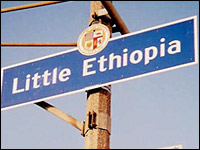
So what is the Black community, and where is it?  I think the answer to both those questions is that there are several Black communities overlapping and intertwining each other.  There is the traditional Black community of African Americans.  There is the still growing Caribbean community.  There is the significant number of Central Americans and Mexicans of African descent, like Maria who sells tamales in Jefferson Park on weekends.  There are the Continental African immigrant communities and their U.S. born children and grandchildren, including the very visible Nigerian and Ethiopian and Eritrean and Ghanaian communities.  There are the pockets of Afro-Brazilian families on the Westside.  These communities live together, work together, send their children to school together, marry together and do indeed participate in community life together.  The migration of African Americans in large numbers to the Inland Empire, a move my mother and nearly every member of that side of my family made, did not exactly make Los Angeles a less black city. It just made it a differently black city in a Los Angeles County with a large county-wide Black population.

504_nigeria_flag1
Hail, hail Nigeria

little_ethiopia_la


ghanala


We lived in the Jefferson Park neighborhood for 5 1/2 years.  On our block, 29th Place, our neighbors were Salvadoran, Belizean, Mexican and Chicano, Jamaican, Nigerian and African American.  Our first week in the neighborhood, a middle-aged Black man walking up the street stopped in front of our yard where I was raking.  He greeted me, speaking with a Caribbean accent and asked me if we had just moved in, mentioning that for the most part it was a nice neighborhood.  Then he said, “Look, my name is Diaz. But I want you to know that I am a Black man.  If a Black man has a Spanish name, he is still a Black man.  I am from Belize. You’re African American. It don’t matter, ’cause we need unity.” I agreed with him, but I was slightly surprised.  I’m not quite sure why he chose to declare himself as he did.  I think it may be because of the ethnic shorthand of the terms Hispanic and Latino which don’t speak to the immense diversity within Latin American countries and cultures, nor the degree to which Latin America is a thoroughly Africanized region.  Perhaps he was responding to what seems to be a California tendency, a suspicion between African Americans and Latino Americans that Black and Brown folks from the Midwest and the East Coast don’t suffer and which often catches them off-guard when they move to or visit the West Coast.  Whatever the case may be, Brother Diaz thought it necessary to declare his Spanish name no barrier between us.  He was not less Black than me, just differently Black, and both at home together in our part of Los Angeles.

afroaxaquenos01

From Jefferson Park, we moved to a neighborhood in Hyde Park.  Our street, Arlington Avenue, was a more African American street but still quite diverse, very much like 29th Place.  We only lived on this block for a year before we moved to the western edge of the West Adams neighborhood, on Alsace Avenue.  This neighborhood is more solidly Latino, but still quite diverse, with the similar mix of cultures living together.  This was another block and neighborhood where I had extensive history and experience.  My great-grandparents lived on Alsace the first 20 years of my life, members of the St. Agatha Catholic parish.  Despite the clear change in the majority culture living in this neighborhood, I never felt like I wasn’t living in a Black community, even if most of the Black people living in the neighborhood speak less and less with a Texan or Louisianan accent, and more and more with a Mexican, Central American, Caribbean or Continental African accent.

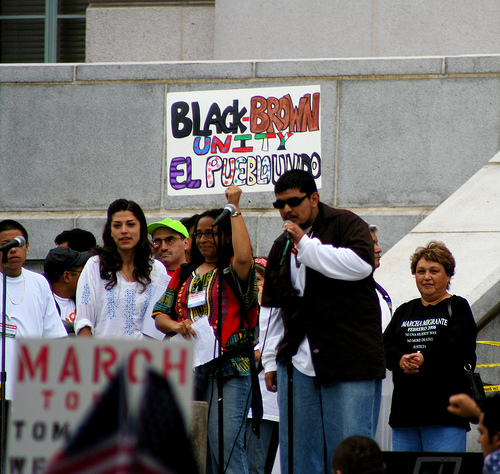
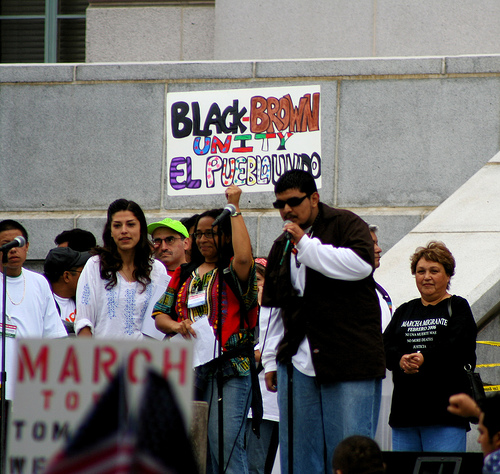
blackbrownunity21


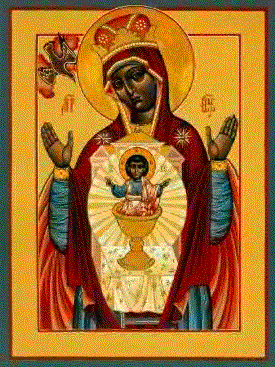
madonna1
La Reina de Los Angeles


More to come…

What Black Community? Which Black Community? Part One

For a decade, since the mid 1990s, commentators on Los Angeles have often reported the disappearance of the city’s Black community.  That being said, Black people are visible all over Los Angeles.  These people speak several languages.  They are native Angelenos, the children and grandchildren and great-grandchildren of migrants from the Southern United States, particularly Texas, Louisiana and Mississippi.  They also come from South America, Central America, the Caribbean, and the African Continent. They come from Asia and the Pacific.  Some work as domestics and day workers.  Others work as mechanics and bus drivers.  Still others work as receptionists, mail carriers, security guards, police and firefighters, dental assistants, merchants, and shopkeepers.  Some work as teachers, doctors, nurses, social workers, athletes, sports and entertainment agents, financial advisors, realtors and management executives.  Some work in the underground economy.  These folks make up a very diverse group, and this diversity of background and station makes commentary on a unitary Black community difficult if not ill advised.

hpim2433


This diversity of language, national background, occupation and class prompts the opinion that a Black community may no longer exist in this most diverse, most multi-ethnic of cities. So we should be clear what the phrase “Black community” signifies, and whether it is really disappearing.  I don’t really believe that the Black Community has disappeared; nor is it disappearing.  It has changed dramatically, has splintered even.  But it is here and is identifiable nonetheless.  It exists because its members say it exists.  It exists because its members recognize each other, even if others do not recognize them.  And its members participate in the cultural events that seek to reinforce these connections.  Perhaps the annual African Marketplace and Cultural Fair every August best exemplifies this institutionalizing of the relations among the various Black ethnicities of Southern California.

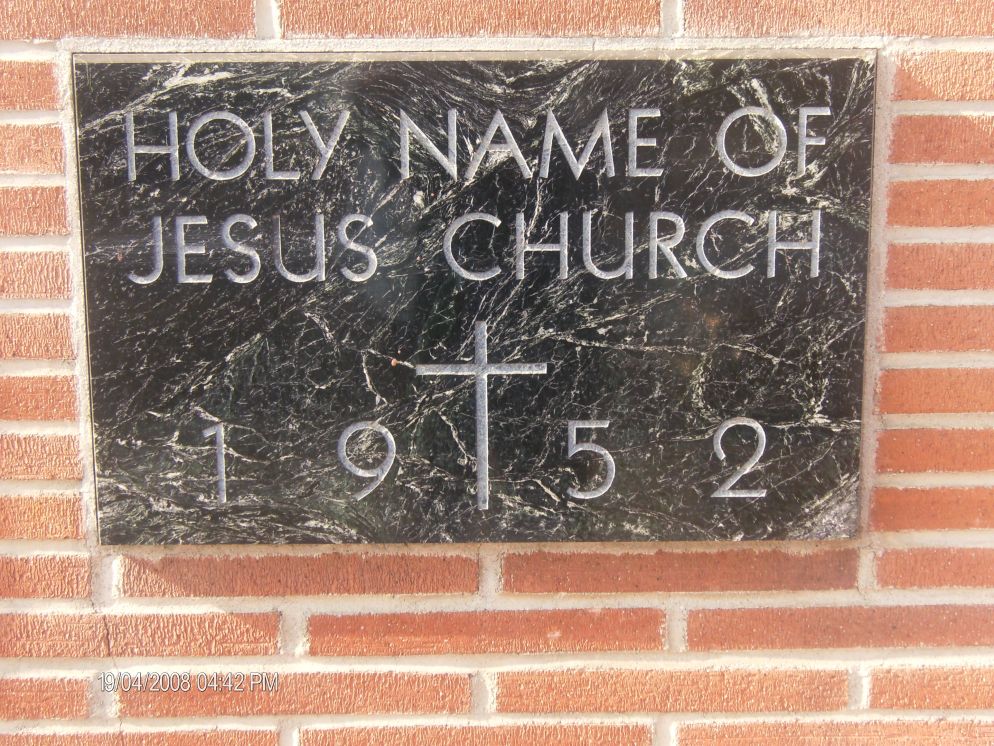
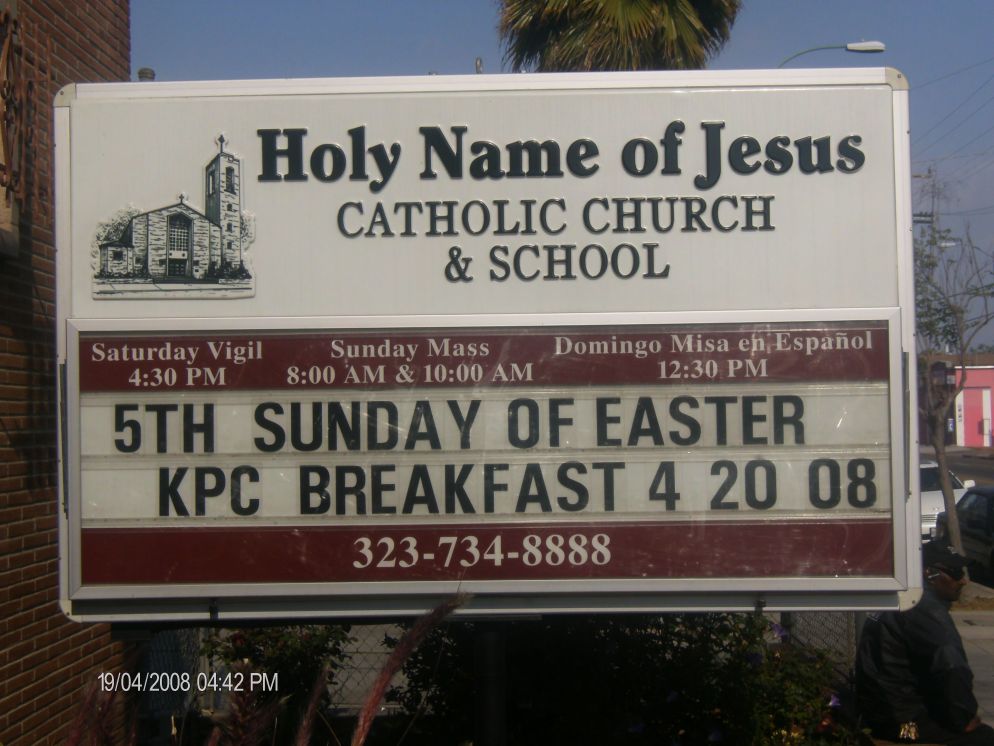
My children, their mother and I have lived and worked in Los Angeles continuously for eleven years now, their first residency in Los Angeles, my second.  I am one of the native Angelenos.  I grew up in this city in the 1960s and the 1970s.  When my family, my children and their mother from the Oakland-San Francisco Bay Area, joined me in Los Angeles, we lived in the Jefferson Park neighborhood.  Thirty years ago, Jefferson Park was still largely African American.  Sixty years ago, my oldest friend’s mother went to school and church at Holy Name of Jesus Parish in Jefferson Park.  Fifty years ago, it was a neighborhood that my father lived in as a teenager (During the same years, the mid-1950s, my mother’s family moved from the Eastside, east of Central Avenue, to the Temple-Echo Park neighborhood).  My father’s younger brother died in the neighborhood, hit by a truck on Cimarron on his way to the community market.  Family oral history says that he was angry, not paying close enough attention.  He was thirteen.  The building still stands, and it still houses a community market.  My children and I regularly patronized the market.  We have a living history there.

hpim23962


hpim23971

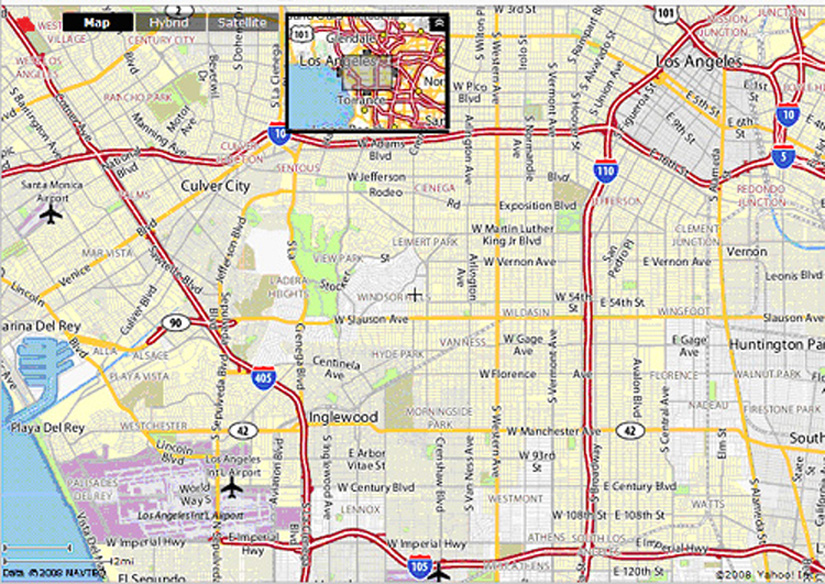
My  father’s aunts lived in the neighborhood.  They lived as part of a community of immigrants from New Orleans, Louisiana (NOLA), who settled in the area of South Los Angeles now bounded by four freeways: the 110 freeway to the east, the 105 freeway to the south and parallel to Imperial Highway although at the time the freeway didn’t exist, the 405 freeway to the west, and the 10 freeway to the north.

southlamap
Southwest and South L.A.

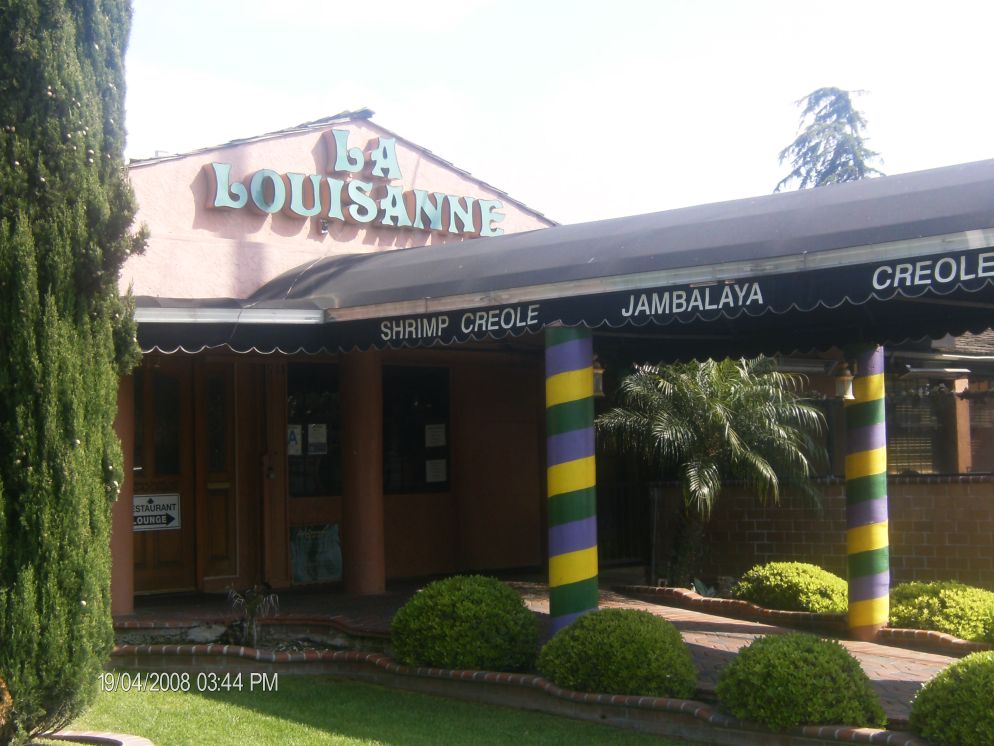
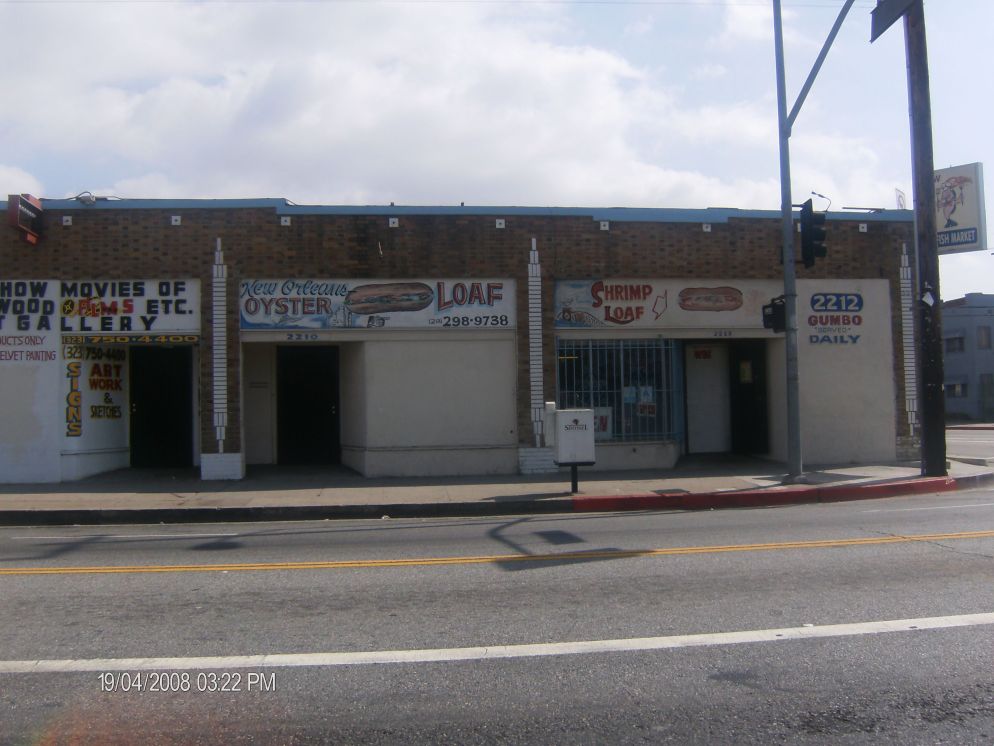
These NOLA immigrants effectively tried to reproduce New Orleans in Los Angeles.  My Aunt Loretta McRoyal  and my Uncle Willie, who moved to Los Angeles in 1959, explained that California, and especially Los Angeles offered opportunities for work in several industries.  They could not envision the future they wanted for themselves and their children if they stayed in New Orleans.  But they missed home horribly.  Nearly fifties years later, they still embody “not-here to stay” as New Orleans is still “home” in their conversations. They and other NOLA immigrants lived close to each other around the twelve Roman Catholic parishes within the boundaries of the four freeways.

hpim2353


They created the institutions and practices that attempted to  recreate what finally could not be recreated, founding business to supply “authentic New Orleans products.”

hpim2386


hpim2380


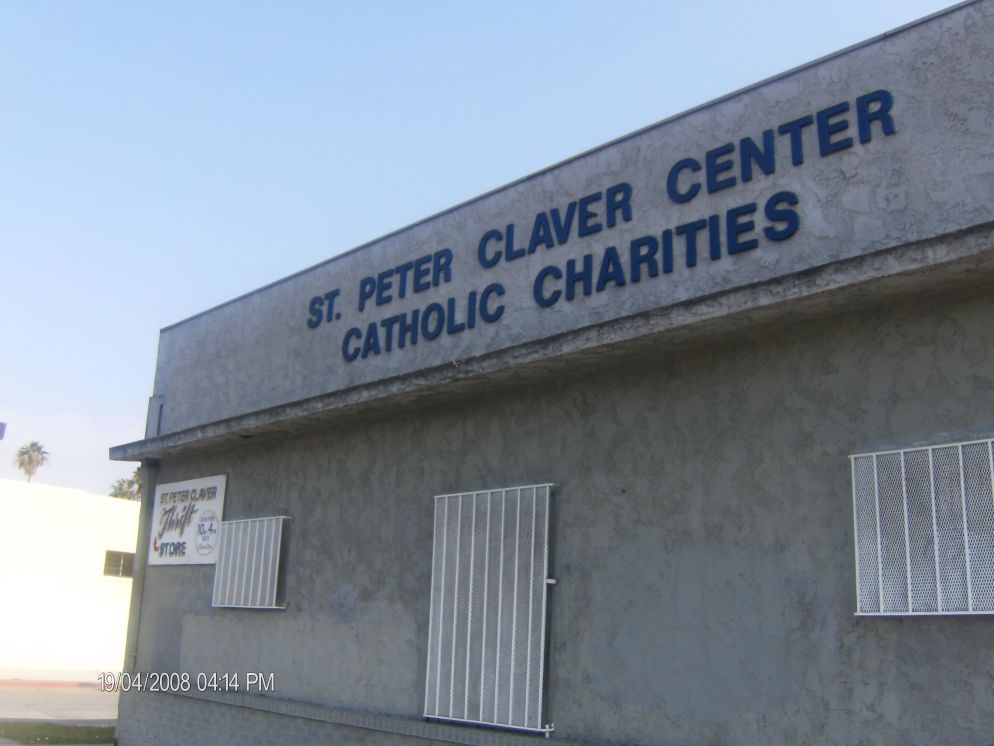
Through a network of social organizations, Les Bon Temps Clubs and church related organizations like the Knights of St. Peter Claver, the community was able to provide social support for families facing difficulties in Los Angeles and New Orleans.  These fundraisers would take the form of masquerade balls, church carnivals, Mardi Gras balls, fish fries and baking contests. Besides their function as mechanisms to maintain and support social relations within this community, these fundraisers also served an important role in allowing poor and working class families to save face.  Government assistance was looked down on; thus, these routine fundraising events allowed families to save face.


hpim2391


Sometimes the fundraising took place in less formalized setting, but was no less ritualized.  Let me offer an example.  When my father died in 1980, each of the four evenings leading to his Friday morning funeral consisted of my family and friends bringing food and drinks and company to out house.  These were not somber events.  The evenings were loud, raucous and joyous.  People cried over their beers and whiskeys and crab legs and chicken and rice.  And they told stories about my father, his youth in New Orleans and adventures in Los Angeles.  At the end of each evening, including after the rosary and the funeral, my grandmother presented my mother with a large pickle jar, the kind that used to be in butcher shops and local markets, filled with bills of various denominations.

In the sixty years since the death of the uncle I never had a chance to meet but whose baseball trophy from Denker Park I still cherish, the neighborhood remained largely African American, though many families, including parts of my own, began moving further south past Slauson, Florence, Manchester and Century, and west into the Crenshaw area and the Exposition area.  Other families, with rising incomes, moved a little north and/or west into the Pico and San Vicente and Mid City and West Adams and Palms neighborhoods.  Inglewood began to change complexion.  By the mid 1970s, families began to trickle into the Inland Empire and the Palmdale-Lancaster area.  These families were the forerunners of the allegedly disappearing Black community.  And that is instructive.

inlandempiremap
The IE

I call this instructive because it speaks to the limits of the language of race in the general discourse on Los Angeles’s ethnic communities.   Black community is used interchangeably with African American community.  It is true that African Americans occupy fewer neighborhoods as a majority community, but that has only made Los Angeles differently black.  The African American population did decrease by nearly 15 percent between 1990 and 2000, according to U. S. census data.  Those numbers reflect the second wave of out migration.

hpim2404


To be continued…

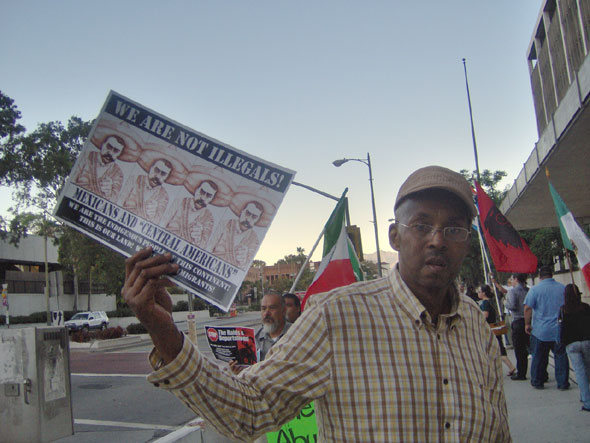
blackandbrownunity4

Hiatus

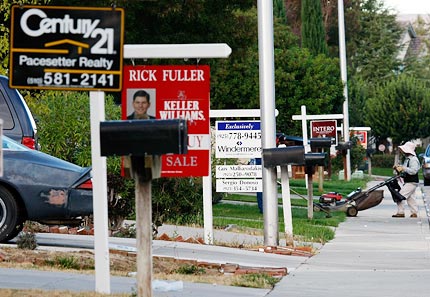
I have been on hiatus for a long time.  And during all that time, the world has continued to crumble.   I have to admit, sometimes I think that we would indeed be better off to let it go.  It might be the only way to save ourselves, to save the planet.  Capitalism is in crisis, and world governments are scrambling to save it.  Unemployment rises exponentially.  People are losing their homes.  A new wave of foreclosures heads down the pike.  No one can afford healthcare.  No one has any money.  All this makes one want to go away, get away from it all, but there’s nowhere to go because the crumble crumbles everywhere. 

foreclosures2

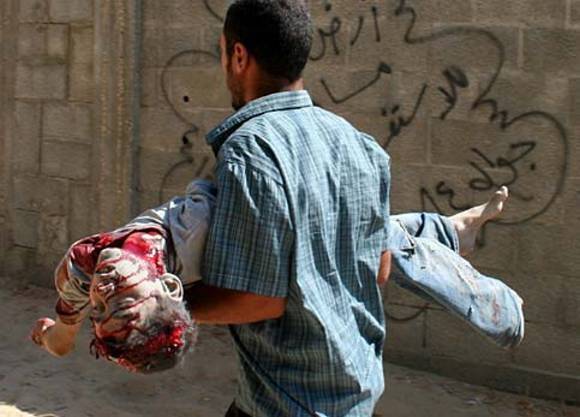
gaza-martyr


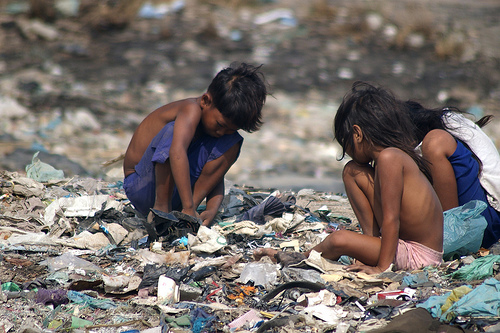
What are we trying to save?  People are desperate not to be thrown on the street.  We fear for our children, what they may be reduced to if we can not continue to provide the middle class standard of living held up as the only standard of living worthy of struggle, of work.  We worry over being unable to maintain our car notes, insurance payments, credit card bills.  We worry that we won’t keep our good credit ratings.  We worry about losing our creature comforts, and the gadgets that entertain us and make life convenient.  We worry about the state of our industrialized infrastructures.  Will our cities and states be able to maintain the water treatment and delivery systems that have been so key the development of every historical state and certainly to the sanitary conditions necessary for public health?  Will the electrical grid continue to lengthen the day endlessly?  We worry that all these marks of modern development will soon be lost to all but a super rich minority.  Of course, it has always been a minority who has enjoyed the benefits of modernity.  The suffering majority struggle in obscurity, scratching a living out of their bodies, and their children’s bodies, as best they can, in too many places picking at the rot on garbage dumps for some salvageable excess the rich have discarded.  

trashpickers

We are right to worry.  If the auto industry fails, millions of people will be destitute.  Already the U.S. economy is hemorrhaging jobs.  We can expect petty crimes to rise as more and more people take desperate measures to keep babies fed.  The world will become more dangerous than it already is on any given day.  The world will become a little sadder than it is on any given day. 

street_walkers

 It’s already happening, a few more women and men on the track, on boulevards and avenues that don’t ordinarily see women and men selling favors. 

 bigheels

More people are buying guns. 

cdnnfn

What are we trying to save?  In the best of times under capitalism, millions of people are impoverished.  Impoverish is an active verb.  It is something one does to another. The world’s governments, the G8, or 20 or G whatever, scramble to save a system that impoverishes populations, degrades the environment, compromises democratic processes, reduces persons to units of labor and consumption, poisons the air, and chokes the planet with trash by design.  They struggle to save a system that confuses itself with freedom as it creates inequality.  None of them show imagination. 

 homeless3

Maybe it’s time to reconsider exactly what we are trying to save and at what costs.  Maybe we should reconsider the attachment to personal wealth and the value of the clamor to reach the top of a dung heap and begin to think about what it means to participate in a common wealth.  Perhaps we can consider the possibilities of worker owned and run industries, factories that build trains instead of cars, farms that serve local areas and grow seasonal crops, energy plants that use sun and wind.  Perhaps we can take the promise of green economics seriously. 

pont-s26

Perhaps we can catch up with the recreational practices of people and go ahead and decriminalize marijuana for recreational use, make it a taxable crop and an industrial crop that can help transform Global South economies.  Perhaps political leadership can act like leadership and overcome its obeisance to the insurance industry’s interests and implement single payer coverage.  Perhaps we can reconsider the lifestyle that we have been sold for something that encourages us to spend more time with each other rather than with our electronics, even those electronics that allow us to communicate. 

marijuana_leaf

Maybe we all need to take a hiatus from consumerism and war.  The planet could stand a break.  At any rate, I’m happy to be back in cyberspace.

Workshop

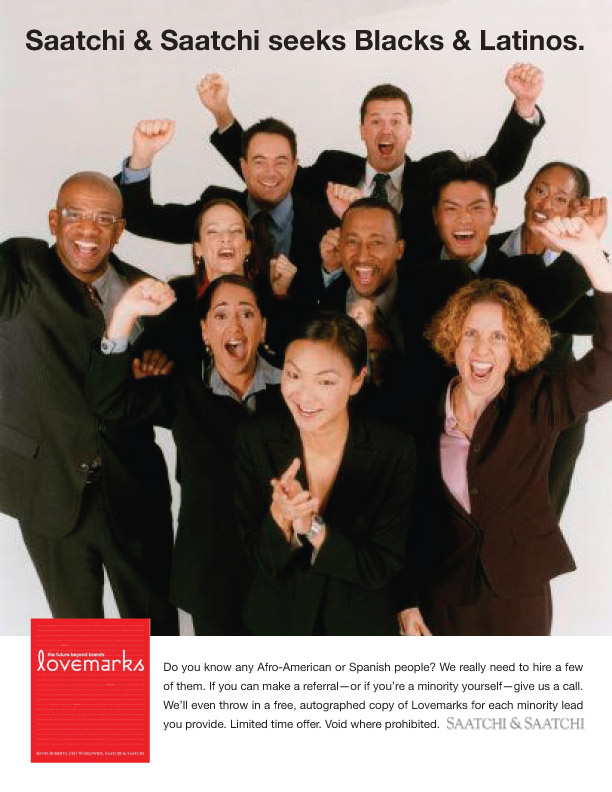
Class last week was very helpful.  Kelly went right to the crux of my project, the construction of Aafrican Americans as middle class citizens.  Since the Civil Rights Movement, but especially since the Reagan administration, the U.S. has undergone a second Reconstruction, a cultural Reconstruction aimed at constructing people of color, especially the traditional ethnic groups of color, as normal Americans, citizens like everyone else, every white one else.  Advertising has been central to this process both as a reimagining of African Americans visually as integrated culturally and economically, rather than the Other represented in pre Civil Rights advertising.black-americana-fishing-clark-thread-trade-card-advertising2

These images would no longer do if African Americans were to be successfully integrated into the public culture of the U.S.

Creating the new normal
Control of image becomes critical.  The control of the imagery becomes control of the imaginary.  Only middle class, normalcy is acceptable, only politics within a bourgeois democratic discourse will be tolerated, a discourse of equality and freedom, not one of power, independence or revolution.  On the heels of a Black Liberation Movement, the redomestication of African American politics required the implimentation of the imaginary of normalcy.  This required no conference or conspiracy.  The ideology was already extant.  Black folks and other people of color simply required an invitation.  Advertising works because it invites us to imagine our lives as fulfilled while providing the script for the fantasy, and the tickets for entrance embodied in the commodities through which we purchase membership.  Sometimes advertising acts like missionary work.
With Calvin, we overcome our neighborhood, our past (and present) as Other, refusing the temptations of our friends, those idle, young Black men waiting at the stoop, and taking our place as model worker/consumer citizens of the corporate state.  Aren’t we special.charliead1
Keep smiling!    

My Letter to the President-Elect

Dear Mr. President-Elect:

I suppose congratulations are in order.  I must admit that it felt better to wake to an excited morning rather than the despair of the last two Wednesday mornings following the presidential elections.  In the days since your election, people have been saying that you were born to this fate, to unite America and bring peace to the world.  Others have declared that the United States has gotten beyond race.  Still more see you as the embodiment of Dr. King’s dream, a Universal man, written right into your DNA.  To be sure, your election represents a singular moment, a moment to seize the ground, a moment of great rupture precisely because the United States is and has been a racist country, a culture of white privilege, white supremacy domination, that your election makes anything seem possible, makes the world feel turned around.  But it only feels turned around.  It really hasn’t turned around, certainly not upside down.

barack-obama-official-small

I did vote for you, Mr. President-Elect, despite myself.  I meant to vote for Cynthia McKinney and Rosa Clemente, but I saw your name at the top of the ballot and felt the wave of enthusiasm rolling westward across the country, and felt the force of the words of the elderly African American woman somewhere behind me who told her friend, “I’ve been waiting sixty-one years for this!” So instead asking for another ballot, I just kept going down the ballot.  I voted for you even though I knew that in this campaign, you did what Democratic presidential candidates have been doing since Clinton, run away from the Black base of the party.  That you had to run away from the Black base didn’t surprise me because you really didn’t have to convince the Black base, only convince them to get out and vote on Election Day.

 I knew that you would have to denounce and repudiate Minister Louis Farrakhan; that is standard operating procedure for many African American public figures.  I knew that you would have to distance yourself from Reverend Jeremiah Wright, regardless of how widespread his views of U.S. practice in the world are.  African Americans simply are not allowed to hold these views publicly and still be taken seriously.  The nation must always be above reproach, even by those speaking for the bottom.  I knew that you would have to make a speech on race without broaching racism, would have to construct false equivalencies between Black anger and White anger, that you would have to relegate Black anger to older generations and a thing to be left in the past despite the dire conditions to which Black youths find themselves subjected.  I felt no shock at your Father’s Day speech castigating African American men as absentee fathers, talking down to them without context, the context of a prison industrial complex that removes so many young men from their families, or keeps them in transitory living spaces as they try to stay one two and three steps ahead of state authorities, or the broader context of the 50 percent of marriages that fail in the United States, or the lack of jobs that keep African American men officially out of the home so that the family can receive public assistance while they actually live with their families in what in the neighborhoods are open secrets.  Nor was there any surprise in your NAACP audience’s enthusiastic applause, long concerned with the politics of image and fear that working class Black folks might (continue to) sully the reputation of nice, middle class African Americans.  None of this shocked me because I knew it wasn’t for me.  It was for the people who needed convincing that you are a different kind of African American, more like them

farrakhan_3

jeremiah-wright-404_667751c

That, Mr. President-Elect, is still the sad fact. Race did still matter, and race does still matter because racism still matters.  It remains a question of power and whose interest must be served.  The narrative is being constructed as it is being disseminated: the Civil Rights Era has come full circle.  On the most recent edition of Bill Moyers Journal, Mr. Moyers begins the hour with an essay that includes a montage Civil Rights Era stock footage and the naming of iconic names and places from the period.  I have a great deal of respect for Bill Moyers.  Nonetheless, I am troubled by the omissions in his video essay.  The omissions condemn real men and women who helped make that history and shape those years to obscurity and confinement.  The official story is being repeated on news talk television and sports talk radio.  Just this week, activist, actor and former NFL running back Jim Brown offered the same line on a Fox Sports Radio.  No one mentions the more radical edges of the movement, nor does anyone often mention the recalcitrant mainstream culture that has been in reaction to these movements since the Voting Rights Act and the Civil Rights Act of the mid 1960s.  What does anyone think Nixon meant by appealing to the Silent Majority?  After all, affirmative action, a modest proposal indeed, remains controversial, and you could not be perceived as too closely associated with African American interests, only African American skin for its symbolic value. And right now, the country and the world are enamored with the symbolism.


Still, white Americans have come a long way.  I say white Americans, although I know you want to emphasize the “we’re all Americans, a United States of America” line, because, well, the rest of us haven’t done anything so unusual.  People of color in this country routinely vote for people other than those from their particular ethnic background.  Americans across the board routinely vote for candidates across class lines. So when I hear people say, “We’ve come a long way,” I don’t feel a part of that we because what Americans are being congratulated for is an accomplishment of white Americans, perhaps many of those same white Democrats who had preferred to vote for Republicans rather than their fellow Democrats who were represented as too liberal, often code for too friendly to communities of color and women.  Perhaps it was their children.  Either way, they should be proud of finally doing what the rest of us have had to take as business as usual.  So again, congratulations for reaching out to those white Americans and convincing them to choose something other than the fear and the familiar that they have been choosing since the Reagan years.  This is a change and reason for hope.

bishoptutu-caption

Mr. President-Elect, I have a proposal.  Because this is a moment of rupture, because this is a moment when anything seems possible, because this is a moment when people are hoping for reconciliation, I have a proposal, one that require courage and all of your exceptional skills of persuasion.  The United States, unlike South Africa, has had no Truth and Reconciliation Commission, so the complete story of the 60s and 70s remains untold.  Most U.S. citizens have no idea what horrors their local, state and federal government agencies wreaked upon dissidents through COINTELPRO, the Counter Intelligence Program of the FBI.  Few know of the political prisoners who are now being completely erased from memory in the new narrative of American triumphalism.   Mr. Obama, as a gesture of reconciliation, I propose you grant amnesties and pardons to the African American, Chicana/o, Puerto Rican, Native American and Hawaiian, and the radical white prisoners of conscience and prisoners of war now warehoused in U.S. federal prisons.

Mr. President-Elect, you can begin by pardoning Leonard Peltier.  The original sin of the United States was not slavery; the original sin of the United States was genocide, dispossession and displacement of the First Nations.  Leonard Peltier has now served more than 30 years. 

leonard_peltier_1999_1

Oscar Rivera Lopez of the Puerto Rican liberation movement has served 27 years. 

prppshot

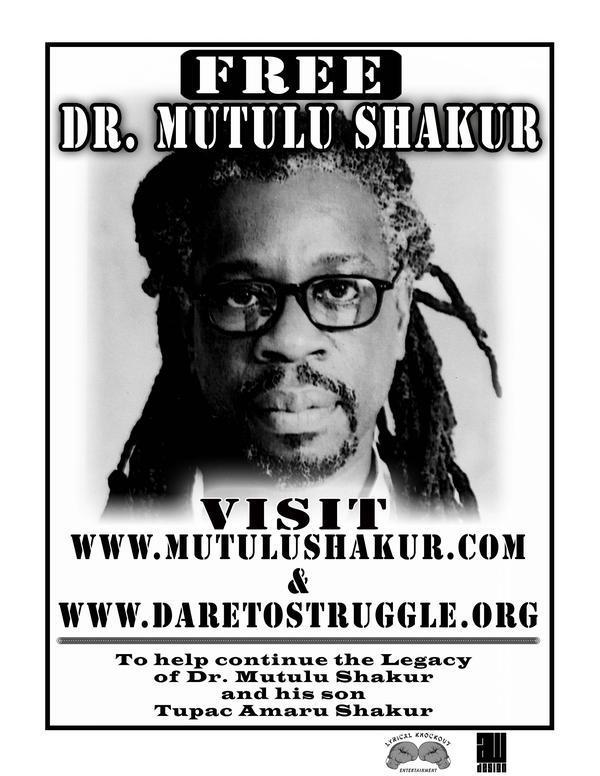
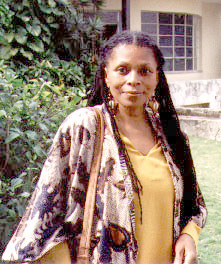
Mutulu Shakur, Tupac’s stepfather, has served nearly 30.  Speaking of Shakurs, you could lift the bounty off Assata Shakur’s head, offer her amnesty, and let her return from Cuba, her home for nearly 30 years. 

mutulu1

assata

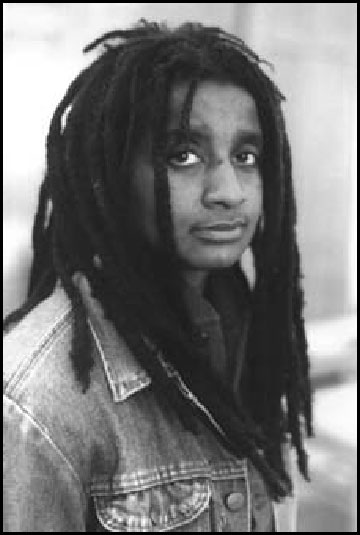
How about pardons for Debbie Africa and Janet Africa. 

janetafrica

David Gilbert, former member of the Weather Underground, has also served nearly 30 years.  

dgilbert98-2

 The San Francisco 8, former Black Panthers, have been re-indicted for murder charges that had already been thrown out years ago because the confessions had been induced by torture, cattle prods among other things. 

sf81

 Should they continue to be harassed in their senior years?  These men and women should be spared the fate of Nuh Washington, a Black Liberation fighter who died in federal prison.

nuh_bw_90h400

Yes, Mr. President-Elect, you will be accused of radical ties or being soft on crime, a friend of domestic terrorists, of disrespecting the lives of police officers or federal agents who may or may not have been killed or wounded by these persons.  Guilt or innocence is not the issue.  Their rights to self defense and self determination don’t have to be the issue.  After all, the U.S. has been very forgiving of political crimes.  President Ford continues to receive praise for “reconciling” the country by pardoning Richard Nixon.  Many Americans thought that was a mistake, a mistake we still suffer from insofar as it left presidential abuse of power unchecked.  Still, most Americans at least seem to have forgiven Nixon.  G. Gordon Liddy walks the streets freely, even after encouraging his radio listeners to shoot federal agents in the mid 1990s.  Scooter Libby was pardoned after complicity in exposing Valerie Plame.  Speaker Pelosi took impeachment off the table despite the many impeachable actions of President Bush, Vice President Cheney, and Secretary of State Rice.  At the very least, William Ayres is an example of the benefit these freedom fighters can offer society.  And now there is another opening, one from your chosen home, Chicago, with the recent indictment of Chicago police commander Jon Burge on charges of torture, the torture of over 100 African American men by officers under Burge’s command.  Those are the men who reported the abuse.            


g_gordonliddy

The world expects Guantanamo to be closed.  That will take political courage.  But what is practiced at Guantanamo was learned in U.S. state and federal prisons, all of it.  Few U.S. Americans know because the treatment of prisoners in law and order America doesn’t merit comment in the political calculations of most politicians and mainstream media.  The prisons should not be ignored as they are a stark example of the contradictions that will continue to plague U.S. society in their most obviously racialized and class manifestations.  The Land of the Free locks up more than 2 million of its citizens and residents.  African Americans make up more than half of those incarcerated.  When one adds to their numbers the number of Latinos, Native Americans, and Pacific Islanders, well visiting an American prison is like visiting a Third World country, right down to the sweatshop labor.  Mr. Obama, it will be hard.  But you should consider what a gesture of peace and reconciliation amnesty for these freedom fighters could mean.  Consider the signal it sends about your commitment to the U.S. dealing directly with its uncomfortable past rather than let it remain buried as the repressed memory within a narrative of victory over obstacles that will remain incomplete and unresolved without these dissident voices, these anti-imperialist, ant-racist voices.  Consider that, Mr. President-Elect.


Sincerely,

Ignace

A citizen


Workshop

I haven’t been here for awhile. I spent today gathering data. Here’s some of what I found.

Here’s some more.

And some more. People are working.

Note that the crowd in Jenna is not entirely Black. Movements are never simply homogenous, undifferentiated. When I lived in Berkeley in the mid 1980s, South Berkeley, my grandmother asked me if the neighborhood was integrated. She grew up in Texarkana, Arkansas and moved to Los Angeles in the early 1940s. I told her that it was integrated an integrated neighborhood, Black and Brown. we both laughed.

I've never seen it in print,
I have yet to read it in print,
but we assume that integrated
always means integrated with
“]the "white" majority. [Who's holding that sign?]
Bring a free mind. All can play.

Of the Obamas and Black Anger Part Three

Black people have plenty to be angry about and spend quite a bit of time being angry.  They express much of that anger toward themselves in a variety of self destructive behaviors: fratricidal gang violence, hedonistic indulgence, self medication, and disdain for other Black people and Black communities, compounded by anger over being angry and disappointed in one’s people.  This is the paradox of the post Civil Rights Movement Black America: increased high school and college degrees and expanded dropout rates, an expanded middle and professional class and an expanded underclass growing farther apart, exponential growth in black elected officials, perhaps soon including the U.S. presidency, and exponential growth in black incarceration and subsequent loss of voting rights in many states, increasing incomes for some, frozen or decreasing wealth for the majority, select, high profile celebrities in all fields of endeavor and millions of invisible, desperate, hard working, disaffected people.  The powerful use those who succeed under the terms of mainstream society to bludgeon that suffering, black working class majority, offering comfort for compliance while the state institutions continue to fail.

No bombs dropped, just employment and property values
We love L.A.?
We love L.A.?
Is this for sale on the Westside?


No place like home
No place like home


No place
No place
Under extreme conditions, the familiar.

 In several important areas, African Americans continue to be underserved.  Dilapidated public education characterizes the schooling of too many majority Black school districts, urban, suburban, and rural.  Police forces over-police Black communities and Black people, continue to brutalize and murder Blacks, and continue to be exonerated by police commissions and juries.  Medical care prices are out of reach.  City and county governments allow neighborhoods to become trash dumps, abandoning housing projects to criminal elements inevitably present in all communities.  Developers and real estate interests, including Black developers, price Black families out of their traditional neighborhoods through gentrification projects.  The recent foreclosure crisis represented one of the greatest transfers of Black held wealth in U.S. history since the theft of labor under legal chattel slavery.  An entire city of Black folks were flooded out of their homes due to federal and local incompetence and prevented from returning home to help rebuild.  That African Americans continue to succeed under any terms at all under these conditions should be the subject of great wonder.  Black people should be angry.